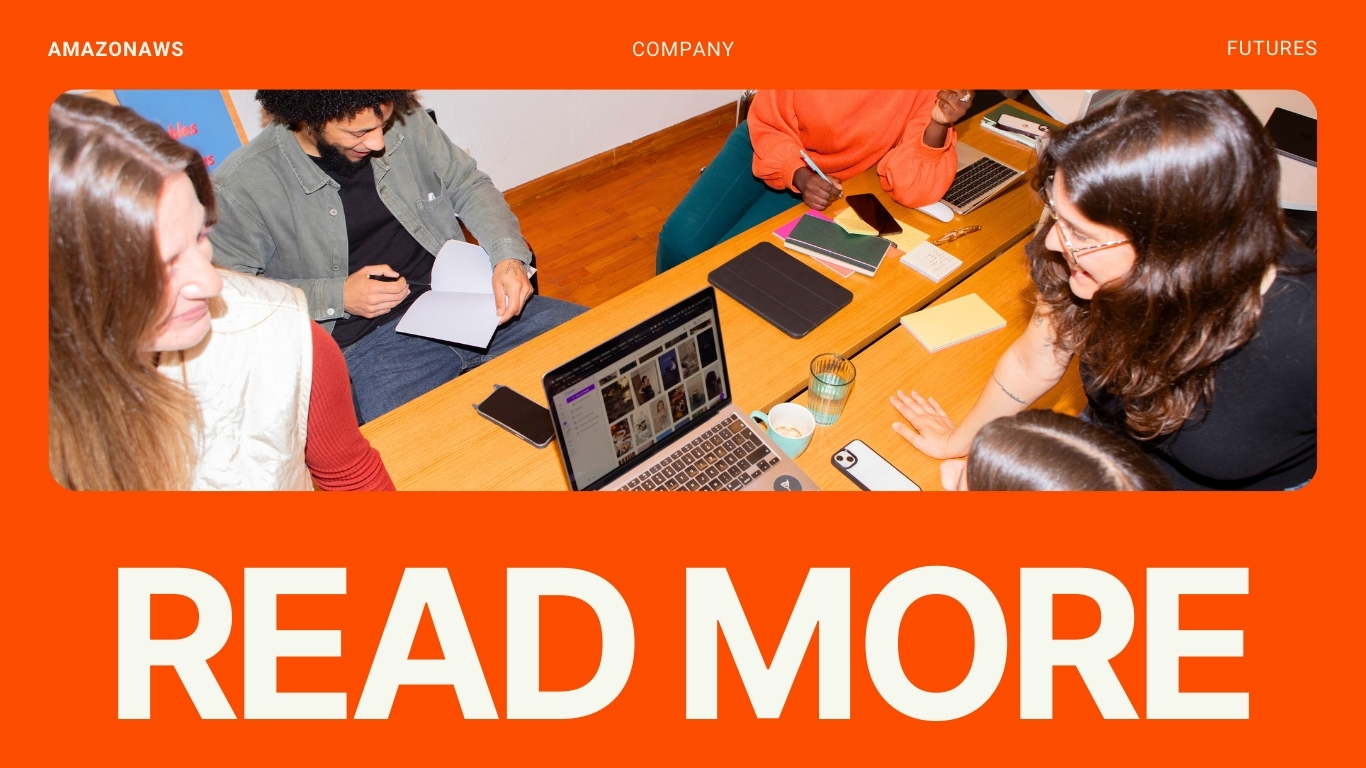
Audience members engaged in lively discussion, sharing insights from local policy efforts and grassroots accessibility advocacy. Attendees left with practical knowledge on how universal design principles can be integrated into daily work and community projects, and inspiration to advocate for more inclusive urban spaces. - Treasure Valley Movers
Audience members engaged in lively discussion, sharing insights from local policy efforts and grassroots accessibility advocacy. Attendees left with practical knowledge on how universal design principles can be integrated into daily work and community projects, and inspiration to advocate for more inclusive urban spaces.
Audience members engaged in lively discussion, sharing insights from local policy efforts and grassroots accessibility advocacy. Attendees left with practical knowledge on how universal design principles can be integrated into daily work and community projects, and inspiration to advocate for more inclusive urban spaces.
Right now, conversations across cities and online communities are increasingly centered on building equitable environments—where accessibility is woven into public spaces, transportation, and civic participation from the start. This key shift reflects a growing awareness that inclusive design isn’t just a technical standard but a community-rich approach that strengthens daily life for everyone. From hands-on advocacy to formal policy conversations, people are exchanging ideas on practical solutions that make neighborhoods, buildings, and digital resources usable by all, regardless of age, ability, or background.
Audience members actively engage in these dialogues, fueled by personal experience and a shared goal: transforming theory into action. They attend workshops, join neighborhood task forces, and share case studies from cities implementing universal design. The value lies not just in understanding accessibility standards, but in learning how to apply them effortlessly—whether updating playgrounds, improving pedestrian pathways, or redesigning digital platforms. These rich exchanges equip participants with actionable steps, turning abstract concepts into tangible progress.
Understanding the Context
Why grassroots engagement in this space matters now is rooted in shifting demographics, economic incentives, and heightened digital discourse. More than 70 million U.S. residents have some form of disability, a number rising as the population ages. At the same time, urban planning is evolving under pressure to meet equitable design mandates. Local activists and community leaders are bridging gaps between policy and practice—infusing real-world input into frameworks that shape public life. Their collaborative focus creates momentum for sustainable, inclusive change.
In community meetings and policy briefings, attendees leave with clear guidance: universal design isn’t a single feature but a mindset. Practical tools include using varied signage, incorporating flexible seating, ensuring tactile navigation, and designing entrances with gradient access. These steps support mobility, communication, and dignity for all, fostering a culture of inclusion through structure and empathy—not exception.
Still, many ask: How can small-scale projects embrace universal design without overwhelming resources? The answer lies in prioritizing incremental change—auditing existing spaces, involving diverse community members in planning, and aligning upgrades with broader policy goals. This approach builds trust and momentum, turning advocacy into shared ownership without requiring massive immediate investment.
Common misconceptions persist, such as the belief that accessible design is costly or segregating. In reality, inclusive solutions often enhance usability—for everyone. High-texture sidewalks help strollers, wheelchair ramps assist delivery carts, and quiet zones benefit neurodiverse visitors. Misunderstanding the scope breeds